Reeltime
Evoking, but not bound by, the musical styles of the period, the soundtrack music for the movie “Rosewood,” based on a tragic incident in early 20th century American history, includes blues-drenched vocals by Cassandra Wilson on the title track, a gospel choir fronted by Shirley Caesar, and bluegrass fiddling by virtuoso violinist Mark O’Connor.
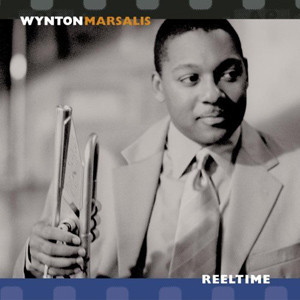
Album Info
| Ensemble | Wynton Marsalis Septet |
|---|---|
| Release Date | November 2nd, 1999 |
| Recording Date | September 1996 |
| Record Label | Sony Classical |
| Catalogue Number | SK 51239 |
| Formats | CD, Digital Download |
| Genre | Jazz Recordings |
Track Listing
| Track | Length | Preview |
|---|---|---|
| Rosewood | 2:40 | Play |
| Mr. Mann | 3:52 | Play |
| Sylvester’s Rag | 2:15 | Play |
| Gentler Times | 2:56 | Play |
| Gossipin’ Hens | 5:39 | Play |
| Sunday Blessing | 2:01 | Play |
| I Hear A Knockin’ | 1:02 | Play |
| Go, Possum, Go | 2:02 | Play |
| Eyes Around The Corner | 1:34 | Play |
| Sing On | 2:49 | Play |
| Morning Song | 2:35 | Play |
| I Hear A Knockin’ | 0:50 | Play |
| If I Hold On | 1:40 | Play |
| Elgin | 2:33 | Play |
| Rattlesnake Tail Swing | 2:31 | Play |
| Dark Heart Beat | 0:51 | Play |
| Fire In The Night | 6:31 | Play |
| Porch Whiskey | 3:18 | Play |
| To Higher Ground | 4:48 | Play |
| After The Dead | 2:57 | Play |
| Rosewood | 4:30 | Play |
Liner Notes
GO DOWN MARSALIS
What continues to give the music of Wynton Marsalis such unfolding authority in so many directions is his grasp of Americana. As a composer, he now bestrides that which is close and that which resides on the shape of the horizon. What many have claimed for Aaron Copland and more are beginning to understand about Duke Ellington is also true of Marsalis: that he is a musician who seems intent on expressing a sensibility as varied as the nation itself. That means that he performs as a major jazz and concert trumpet player, as a composer for small groups, for chamber ensembles, for jazz big bands, for orchestras, dance ensembles, for every kind of instrumentalist or singer with jazz or popular or concert backgrounds. His output is the most impressive body of American music to have arrived in the last twenty years and his imagination seems to be expanding rather than starting to run low on material or sink down into the ongoing repetition of its clichés.
The music on this recording was commissioned and written for the film Rosewood, but was not used. It stands on its own as a kind of Dubliners, or Go Down Moses – a number of tales and portraits that together form an overall suite of feeling. We get many different kinds of music, but they are all united by the world that they are intended to summon. That world itself has a unity, and Marsalis himself is very clear about that. Of it all, he says:
“This music gave me a chance to really go into my childhood experiences. The town of Rosewood reminds me of the towns up and around Breaux Bridge, Little Farms and Kenner, Louisiana. I was and am interested in the range of experiences afforded to a small town kid, including the Sunday church service, outdoor sportsmanship like hunting and fishing, family dinners and those times when you’re happy to be the guest of someone who can truly cook. Also, the intense type of human interactions that take place when poverty and countryfolk meet face to face. In such situations, one might see the entire spectrum publicly expressed: from love to hate, from the light touch of affection to the heavy blow of aggression.
“In essence, what many writers have discovered is that when you look closely at a small town, you will see the human species at its best and brightest and darkest and lowest. Consequently, you are never bored. If you are observant, what you experience is much more entertaining than anything you will ever see in a movie house or a theater. You can be sure that you will eventually shed tears, either from the happiest kind of laughter or the deepest kind of sorrow. If when you leave you realize that the rest of the world is not quite the same way, you treasure that country experience even more.
“What this score represents is all of that and the opportunity to use musicians of various generations and sensibilities to give the listener an accurate rendering of the variety of human experiences one has when the worlds of the young and the old interact. To have the emotions of a giant like Claude “Fiddler” Williams, a majestic woman like Cassandra Wilson and all of the other musicians to give their substance to your music is truly a blessing. It is one equal to having grown up where I did and when I did. And that is the full meaning of the score for Rosewood.”
Stanley Crouch
Credits
1. Rosewood (2:42)
Cassandra Wilson, Vocalist
Wynton Marsalis, Trumpet
Victor Goines, Clarinet
Wycliffe Gordon, Trombone
Russell Malone, Guitar
Reginald Veal, Bass
Herlin Riley, Drums & Tambourine
Kimati Dinizulu, Washboard
2. Mr. Mann (3:51)
Marcus Printup, Trumpet
Victor Goines, Clarinet
Wycliffe Gordon, Trombone
Reginald Veal, Bass
Herlin Riley, Drums & Tambourine
3. Sylvester’s Rag (2:13)
Marcus Roberts, Piano
4. Gentler Times (2:56)
Mark O’Connor, Violin
Mark Schatz, Banjo
5. Gossipin’ Hens (5:42)
Claude Williams, Fiddle
Eric Reed, Piano
ReglnaldVeal, Bass
Herlin Riley, Drums
6. Sunday Blessing (2:00)
Big Band conducted by Wynton Marsalis
7. I Hear a Knockin’ (Quartet) (1:05)
Ronee Martin, Bobette Jamison-Harrison, Kay Bowen, Valerie Wiiliams, Vocalists
8. Go, Possum, Go (2:02)
Mark O’Connor, Violin & Mandolin
Mark Schatz, Bass & Banjo
9. Eyes Around the Corner (1:34)
Big Band conducted by Wynton Marsalis
10. Sing On (Traditional) (2:49)
Wynton Marsalis, Trumpet
Michael White, Clarinet
Wess “Warmdaddy” Anderson, Alto Saxophone
Victor Goines, Tenor Saxophone
Ron Westray, Delfeayo Marsalis, Trombones
Don Vappie, Banjo
Wycliffe Gordon, Tuba
Herlin Riley, Drums
11. Morning Song (2:34)
Karen Briggs, Violin
Big Band conducted by Wynton Marsalis
12. I Hear a Knockin’ (Solo) (0:52)
Shirtey Caesar, Vocalist
13. If I Hold On (1:40)
Shirley Caesar, Vocalist
Erie Reed, Piano
14. Elgin Mills (2:33)
Mark O’Connor, Violin
Mark Schatz, Banjo
15. Rattlesnake Tail Swing (2:33)
Victor Goines, Gideon Feldstein, Sherman Irby, Andrew Farber, Wess “Warmdaddy” Anderson and Sam Karam, Clarinets
Erie Reed, Piano
16 Dark Heart Beat (0:50)
Big Band conducted by Wynton Marsalis
17. Fire in the Night (6:32)
Wynton Marsalis, Marcus Printup, Trumpets
Victor Goines, Gideon Feldstein, Bass Clarinets
Stephen Riley, Tenor Saxophone
Eric Reed, Piano
Reginald Veal, Bass
Herlin Riley, Drums
Kimati Dinizulu, Percussion
18. Porch Whiskey (3:18)
Mark O’Connor, Violin & Mandolin
Mark Schatz, Bass & Banjo
19. To Higher Ground (4:49)
Choir conducted by Byron J. Smith
Big Band conducted by Wynton Marsalis
20. After the Dead (2:58)
Wynton Marsatis, Trumpet
21. Rosewood (4:30)
Cassandra Wilson, Vocalist
Wynton Marsalis, Trumpet
Victor Goines, Clarinet
Wycliffe Gordon, Trombone
Russell Malone, Guitar
Reginald Veal, Bass
Herlin Riley, Drums & Tambourine
Kimati Dinizulu, Washboard
All music and text by Wynton Marsalis
Producer: Delfeayo Marsalis • Engineer: Patrick Smith
Assistant Engineer: Bill Easystone
Technical Engineer: Peter Germansen
Technical Assistant: Dennis Darby
Stage Manager: Rich Wheeler • Stage Electrician: Barry Fawcett
Road Manager: Thomas Lomax • Contractor: Patti Zimmitti
Personnel: Joyce Ryan • Music Editor: Lise Richardson
Music Supervisor: Suzi Civita • Music Copyist: Ron Carbo
Recorded at Warner Brothers Soundstage in September, 1996; “Sylvester’s Rag” recorded at Egyptian Room Studio, New Orleans, LA, September, 1996.
Mixed at Manhattan Center Studios, NY & Signet Soundelux, Los Angeles.
Assistants: Todd Wachsmuth, Roy Clark, Earl Martin, Greg Pagani, Brian Dixon
To obtain more wood sound from the bass, this CD was recorded without usage of the dreaded bass direct.
Big Band conducted by Wynton Marsalis
Choir conducted by Byron J. Smith
Trumpets:
Wynton Marsalis, Marcus Printup, Roger Ingram, Oscar Brashear, Bob Findley, Russell Gunn, Jamit Sharif
Reeds:
Wess “Warmdaddy” Anderson,Alto Sax, Clarinet
Sherman Irby, Alto Sax, Clarinet
Andrew Farber, Alto Sax, Clarinet
Gideon Feldstein, Baritone Sax, Bass Clarinet
Victor Goines, Clarinet, Bass Clarinet, Tenor Sax
Stephen Riley, Tenor Sax
Trombones:
Wycliffe Gordon, Ron Westray, Vincent Gardner, Bill Reichenbach
Rhythm:
Eric Reed, Piano • Reginald Veal, Bass • Herlin Riley, Drums, Tambourine
Kimati Dinizulu, Percussion, Washboard
Stefon Harris,Vibraphones, Marimba, Bass Marimba, Snare drum, Percussion • Russell Malone, Guitar
Cassandra Wilson, Marcus Printup, Sherman Irby and Stefon Harris appear courtesy of Blue Note Records. Russell Gunn appears courtesy of Atlantic Records.
Wess “Warmdaddy” Anderson is a Leaning House Records artist. Victor Goines and Russell Malone appear courtesy of Rosemary Joseph Records. Eric Reed appears courtesy of Verve Music Group. Shirley Caesar appears courtesy of Word Records. Marcus Roberts appears courtesy of Columbia Records. Don Vappie appears courtesy of Vappielle Records.
THE MANAGEMENT ARK
Edward C. Arrendell II • Vernon H. Hammond III
Product Manager: Lisa Stevens
Editorial Direction: Richard Haney-Jardine
Art Direction: Josephine DiDonato
Cover Photography: Janusz Kawa
Logo Art: Drue Katoaka
SK 51239
Total Time: 60’05
For this recording, 24-bit technology was used to maximize sound quality.
DDD
® 1999 Sony Music Entertainment Inc.
© 1999 Sony Music Entertainment Inc.
www.sonyclassical.com
Personnel
- Wycliffe Gordon – trombone
- Victor Goines – tenor sax, soprano sax, clarinet, bass clarinet
- Reginald Veal – bass
- Herlin Riley – drums, tambourine
- Eric Reed – piano
- Dr. Michael White – clarinet
- Ron Westray – trombone
- Marcus Roberts – piano
- Shirley Caesar – vocals
- Russell Malone – guitar
- Gideon Feldstein – baritone sax, bass clarinet
- Cassandra Wilson – vocals
- Kimati Dinizulu – percussion
- Mark O’Connor – violin
- Mark Schatz – banjo
- Don Vappie – banjo, guitar
- Marcus Printup – trumpet
- Roger Ingram – trumpet
- Oscar Brashear – trumpet
- Bob Findley – trumpet
- Russell Gunn – trumpet
- Jamil Sharif – trumpet
- Wess “Warmdaddy” Anderson – alto sax, sopranino sax
- Sherman Irby – alto sax, soprano sax, clarinet, flute
- Andy Farber – tenor sax, clarinet
- Gideon Feldstein – baritone sax, bass clarinet
- Stephen Riley – tenor sax
- Vincent Gardner – trombone
- Bill Reichenbach – trombone
- Stefon Harris – vibraphone
- Sam Karam – clarinet
- Delfeayo Marsalis – trombone
- Claude Williams – fiddle
- Ronee Martin – vocals
- Bobette Jamison-Harrison – vocals
- Kay Bowen – vocals
- Valerie Williams – vocals